
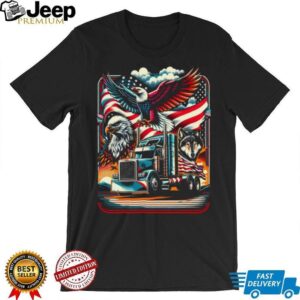




The historical evolution of the marathon from a Greek legend to a global mass-participation event reflects a profound shift in the human relationship with endurance and physical limits. Originally inspired by the story of Pheidippides running from the battlefield of Marathon to Athens, the modern distance was standardized at 26.2 miles during the 1908 London Olympics to accommodate the British Royal Family’s viewing preferences. Today, the marathon is no longer reserved for elite warriors; it has become a American Trucker Pride Eagle Wolf and Semi Truck US Flag Graphic Tee achievement for hundreds of thousands of amateur runners every year. This democratization of endurance has spurred a massive industry in footwear technology, wearable GPS trackers, and sports gels designed to prevent “hitting the wall”—the point where the body’s glycogen stores are depleted. Despite the modern gadgets, the essence of the race remains the same: a grueling test of willpower and pacing that forces the participant to confront their own mental and physical boundaries in a way that few other activities can.
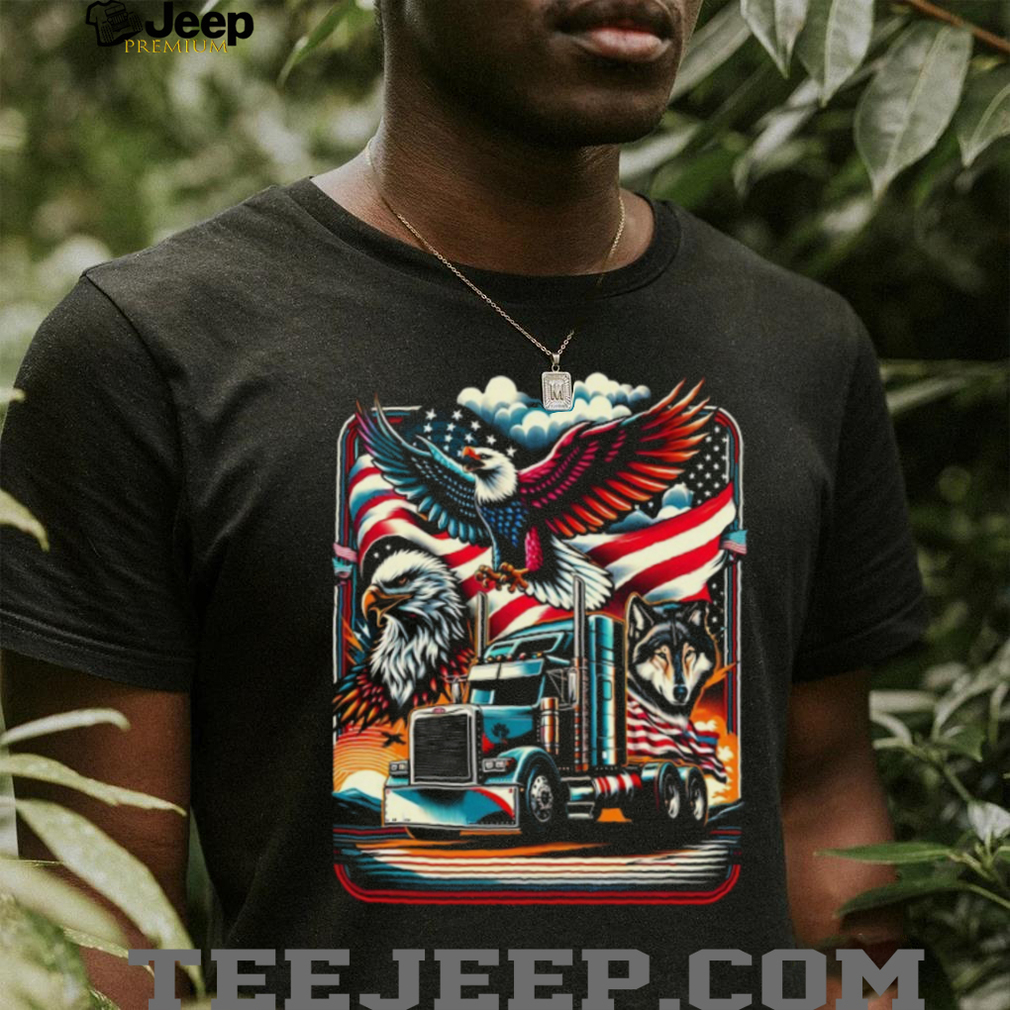 ()
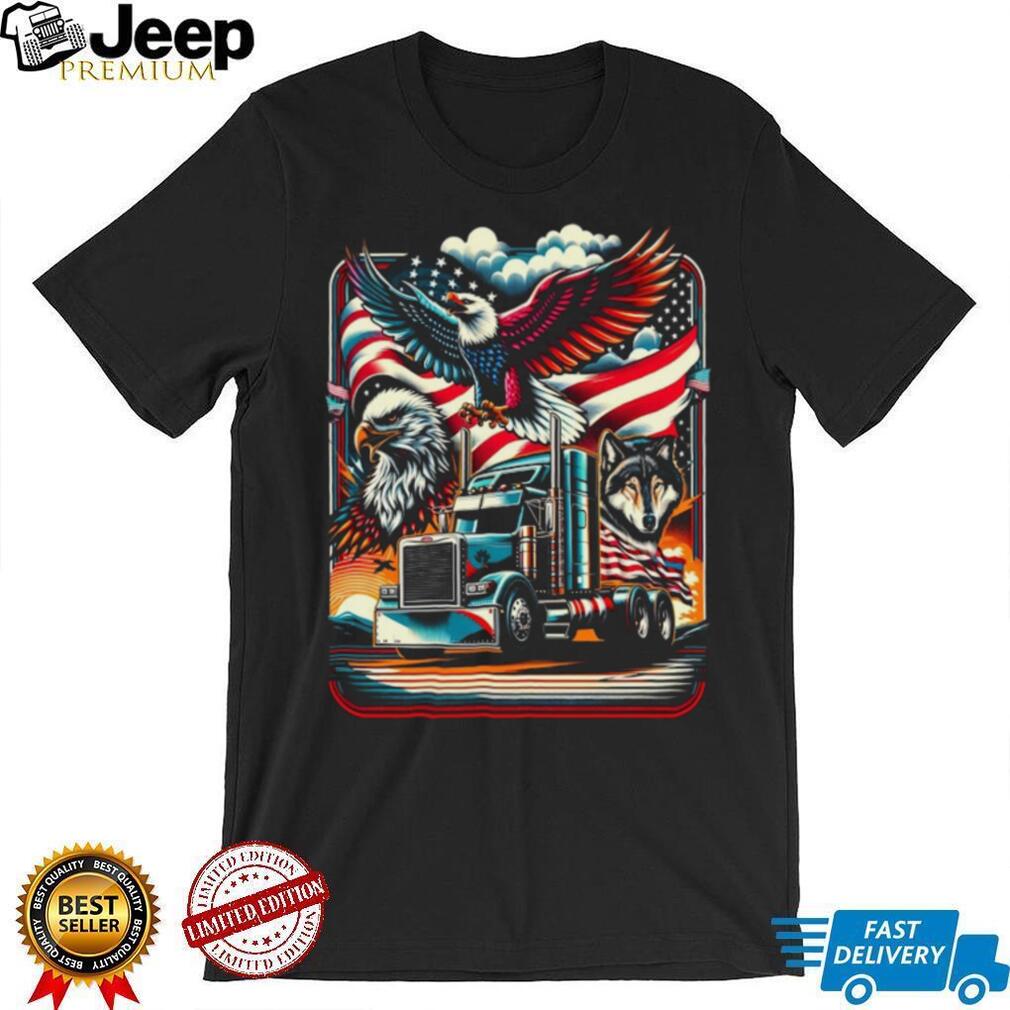
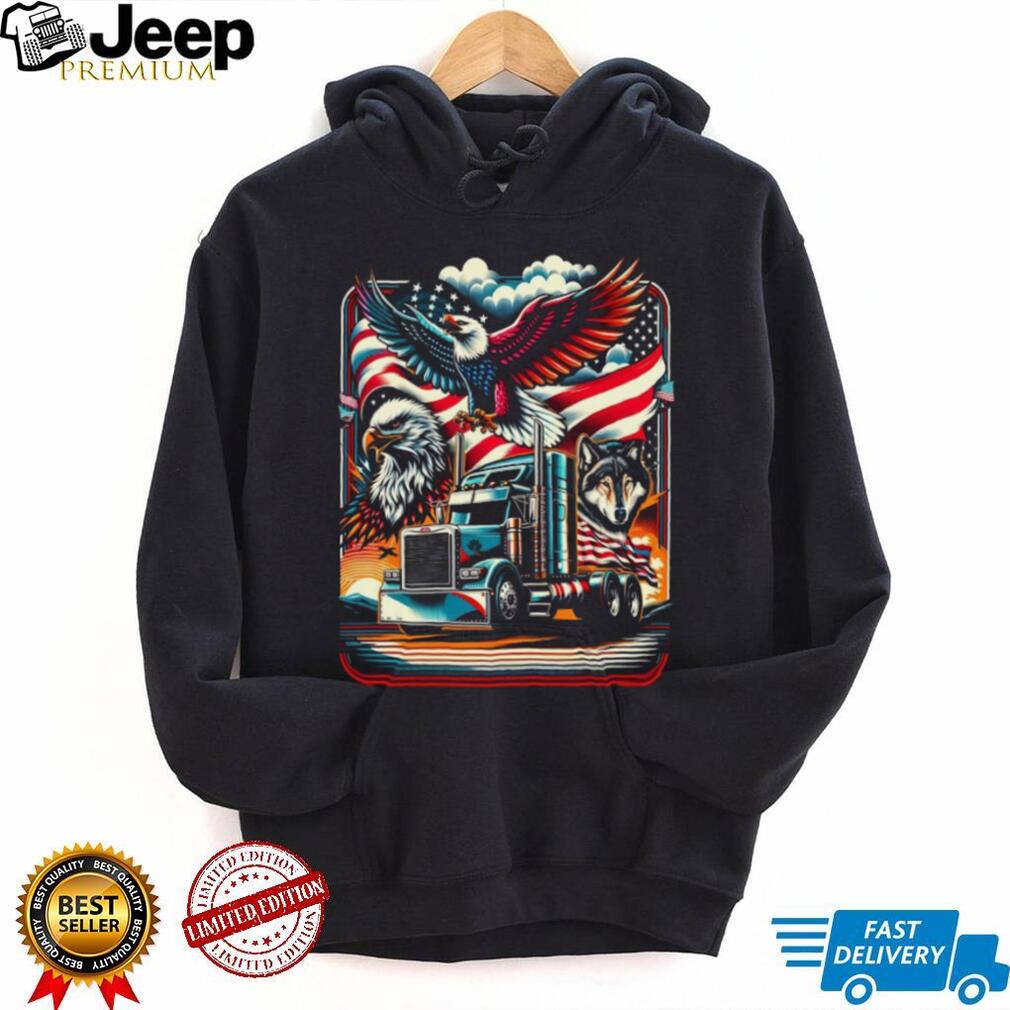
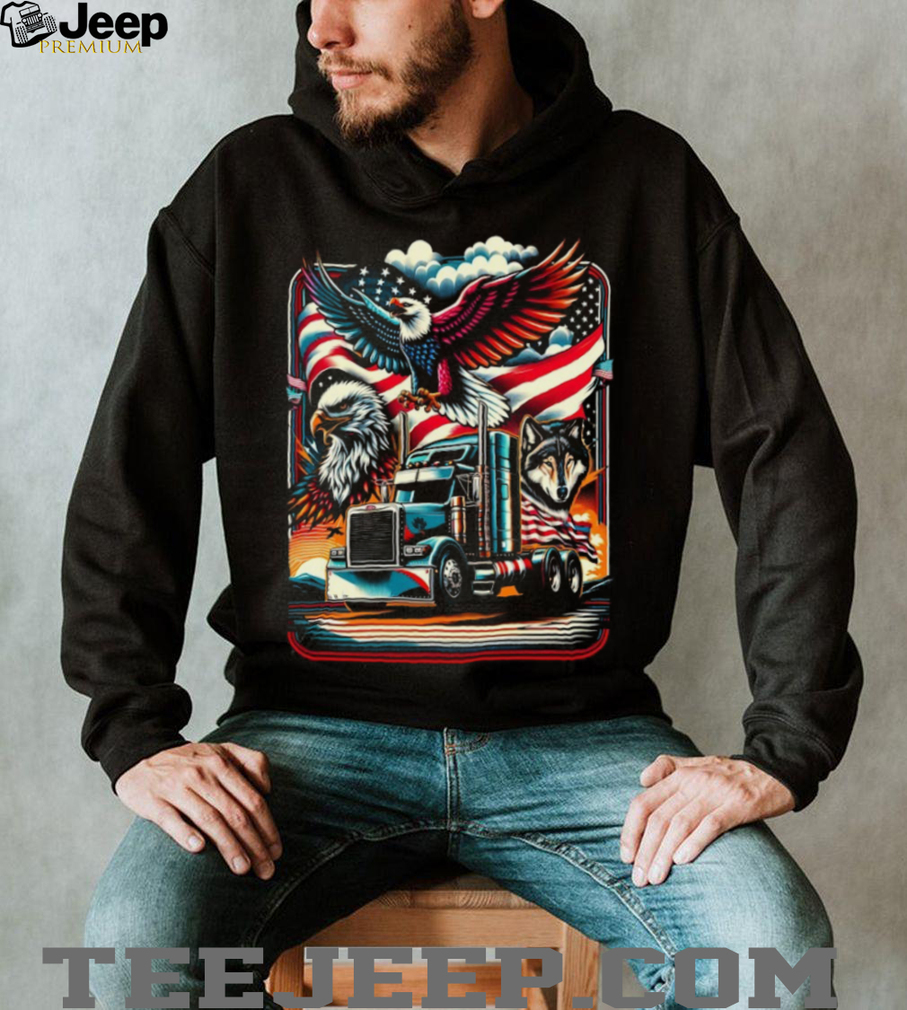
()American Trucker Pride Eagle Wolf and Semi Truck US Flag Graphic Tee, Treat yourself or make a great gift for your loved ones
The deep roots of soccer in South America are a direct result of 19th-century European immigration and economic ties. British engineers, sailors, and railroad workers introduced the game, often forming “exclusive” clubs like the Central Uruguayan Railway Cricket Club (which became Peñarol). However, as millions of Italian and Spanish immigrants arrived, the sport moved from the elite British schools to the working-class barrios. This “creolization” replaced the rigid, physical British style with el toque (the touch)—a focus on individual flair and ball control born in the tight, crowded spaces of urban neighborhoods. By the time the U.S. was solidifying its own sports identity with baseball and American Trucker Pride Eagle Wolf and Semi Truck US Flag Graphic Tee, South America had already established a nationalistic fervor for soccer that bridged the gap between immigrants and the native population.
 ()
()The evolution of sports broadcasting has transitioned from simple radio play-by-plays to immersive, multi-platform digital experiences that allow fans to engage with their favorite teams in real-time. With the advent of high-speed internet and mobile technology, the traditional model of sitting in front of a television for a scheduled broadcast is rapidly being replaced by on-demand highlights, social media updates, and interactive streaming services. This shift has democratized access to niche sports that previously struggled for airtime on major networks, allowing communities around world-class fencing, ultimate frisbee, or powerlifting to flourish globally. Furthermore, the integration of augmented reality and real-time statistics into live feeds provides viewers with a deeper understanding of the tactical nuances of the game. As the landscape continues to change, sports organizations must navigate the complexities of American Trucker Pride Eagle Wolf and Semi Truck US Flag Graphic Tee while finding innovative ways to monetize their content in an increasingly fragmented media market that demands constant, high-quality engagement.
