



The chemistry of “Isotonic, Hypotonic, and Hypertonic” sports drinks is based on the principle of osmotic pressure to optimize hydration. An Isotonic drink has a similar concentration of salt and sugar as the human body (about 6–8% carbohydrates), allowing for rapid absorption and a steady energy supply.28 Hypotonic drinks have a lower concentration, making them ideal for rapid fluid replacement without an energy boost, often used in high-heat conditions.29 Hypertonic drinks have a higher concentration and are used primarily for post-exercise recovery to top up glycogen stores. Understanding these concentrations allows athletes, often seen sipping from bottles in Hoodie shirts, to manipulate their “gastric emptying rate,” ensuring that the fluids they consume actually reach the bloodstream rather than sitting in the stomach and causing GI distress during competition.
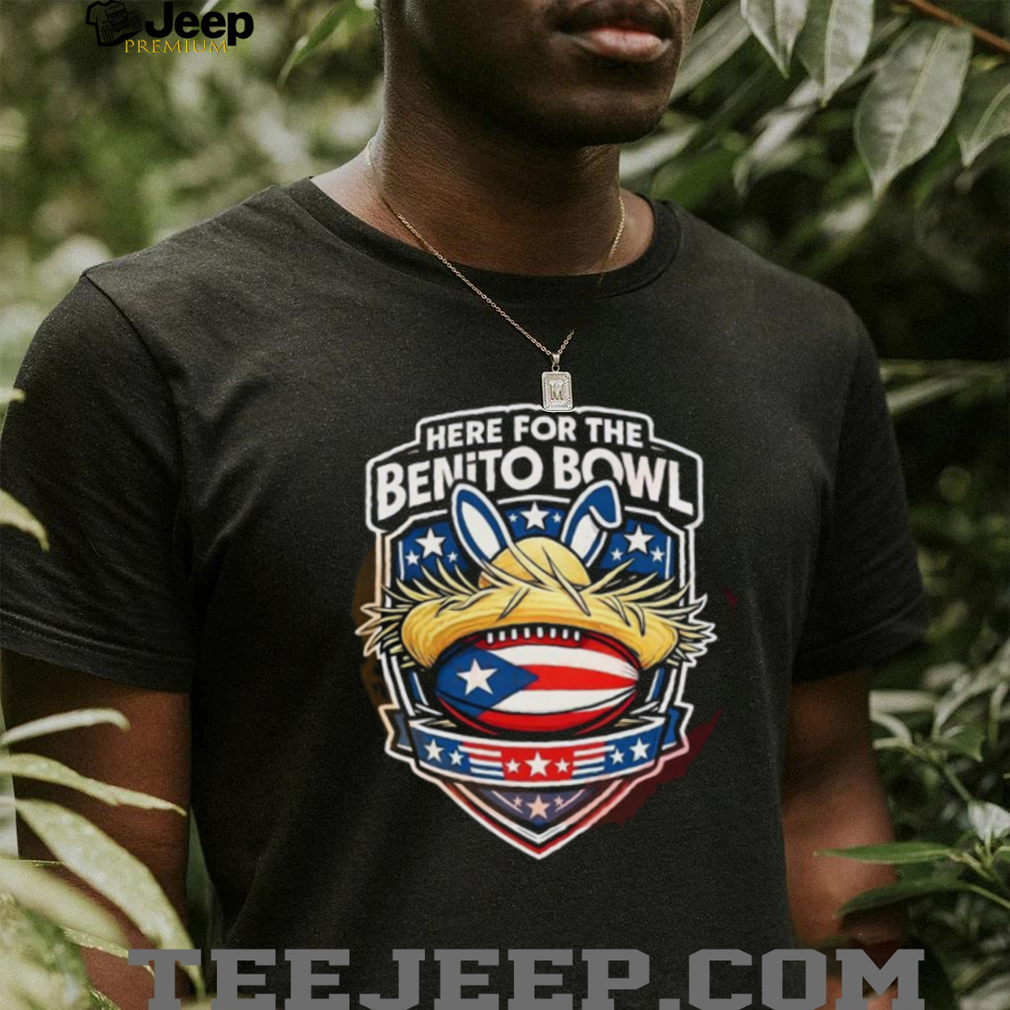
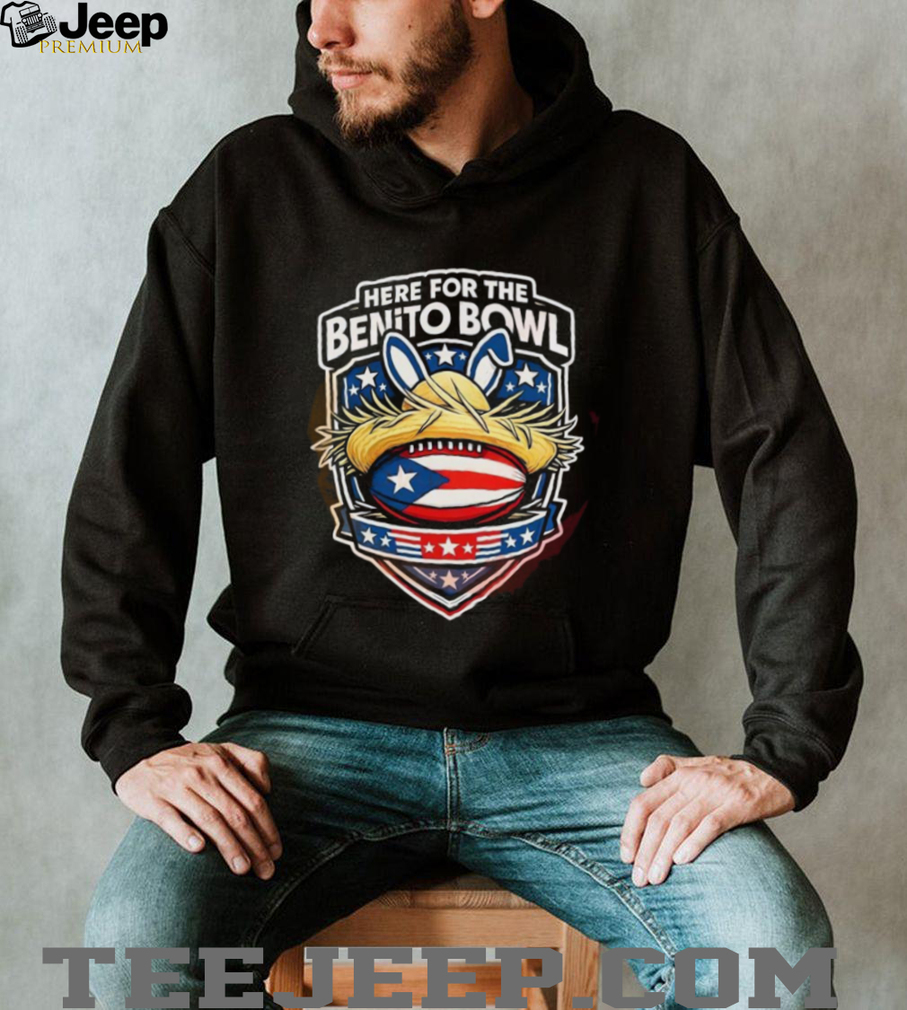
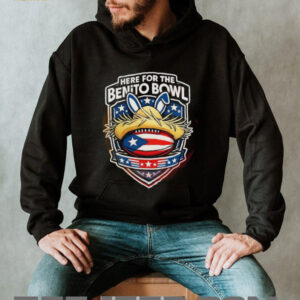
 (Bad Bunny Benito Bowl Puerto Rico Flag Football Shield T Shirt T Shirt)
Bad Bunny Benito Bowl Puerto Rico Flag Football Shield T Shirt T Shirt, Treat yourself or make a great gift for your loved ones
The Chemistry of “Ketone Esters” represents a new frontier in endurance fueling, providing a third fuel source alongside carbohydrates and fats. Ketones are naturally produced by the liver during periods of starvation or high-fat dieting, but synthetic esters allow athletes to enter a state of “acute ketosis” while still maintaining high glycogen levels. This creates a glycogen-sparing effect, where the muscles burn the exogenous ketones for steady aerobic work, saving the precious glucose for high-intensity bursts. This metabolic Hoodie shirts strategy has become a secret weapon in professional cycling, as it provides a stable energy source that doesn’t cause the “sugar spikes” or gastrointestinal distress often associated with heavy carbohydrate consumption.
 (Bad Bunny Benito Bowl Puerto Rico Flag Football Shield T Shirt T Shirt)
The “Size Principle” of Motor Unit Recruitment (Henneman’s Size Principle) dictates how the nervous system chooses which muscles to use during an athletic task. The brain always recruits the smallest, most fatigue-resistant Type I (slow-twitch) motor units first. As the force requirement increases—such as when a sprinter explodes out of the blocks or a weightlifter pulls a heavy bar—the brain progressively “recruits” larger, more powerful Type II (fast-twitch) motor units. Understanding this principle allows coaches to design Hoodie shirts training that specifically targets the high-threshold motor units, ensuring that the “explosive” fibers are conditioned for the specific demands of high-power sports.