
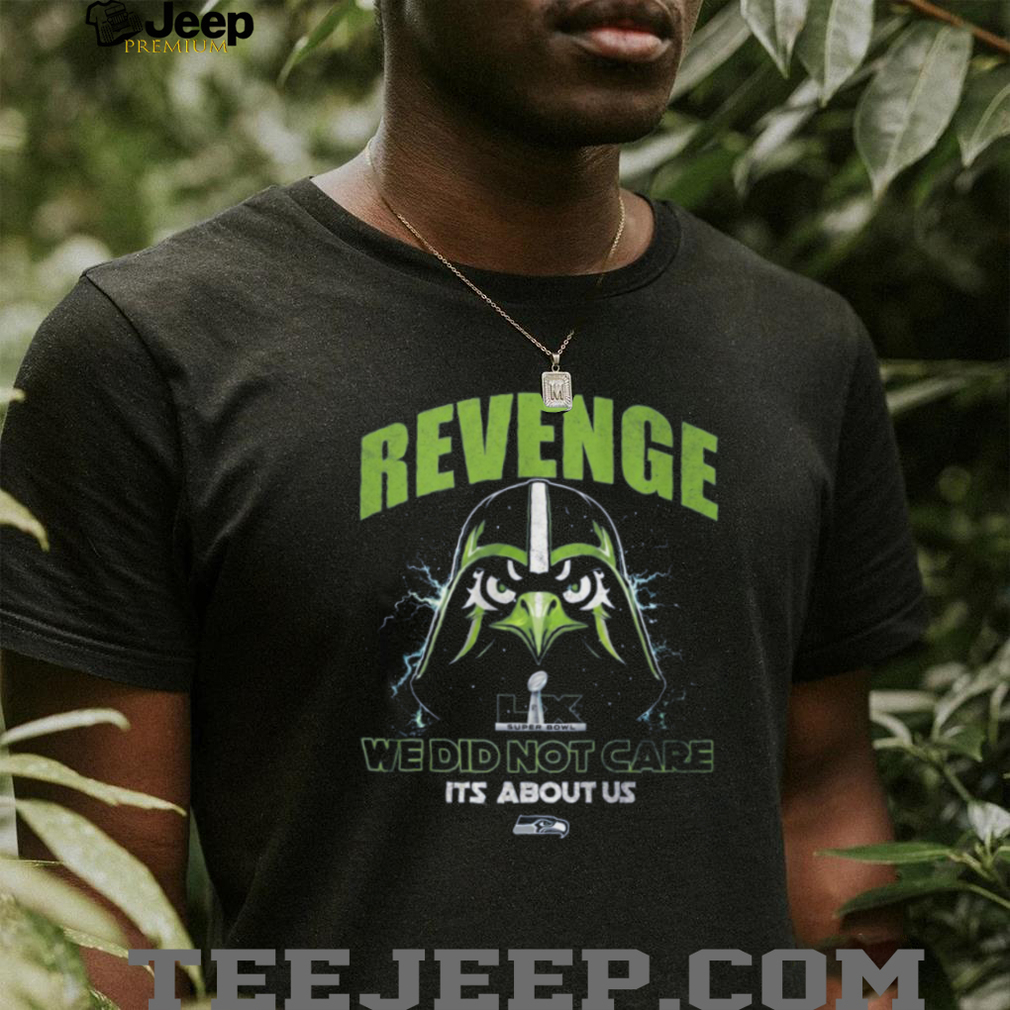






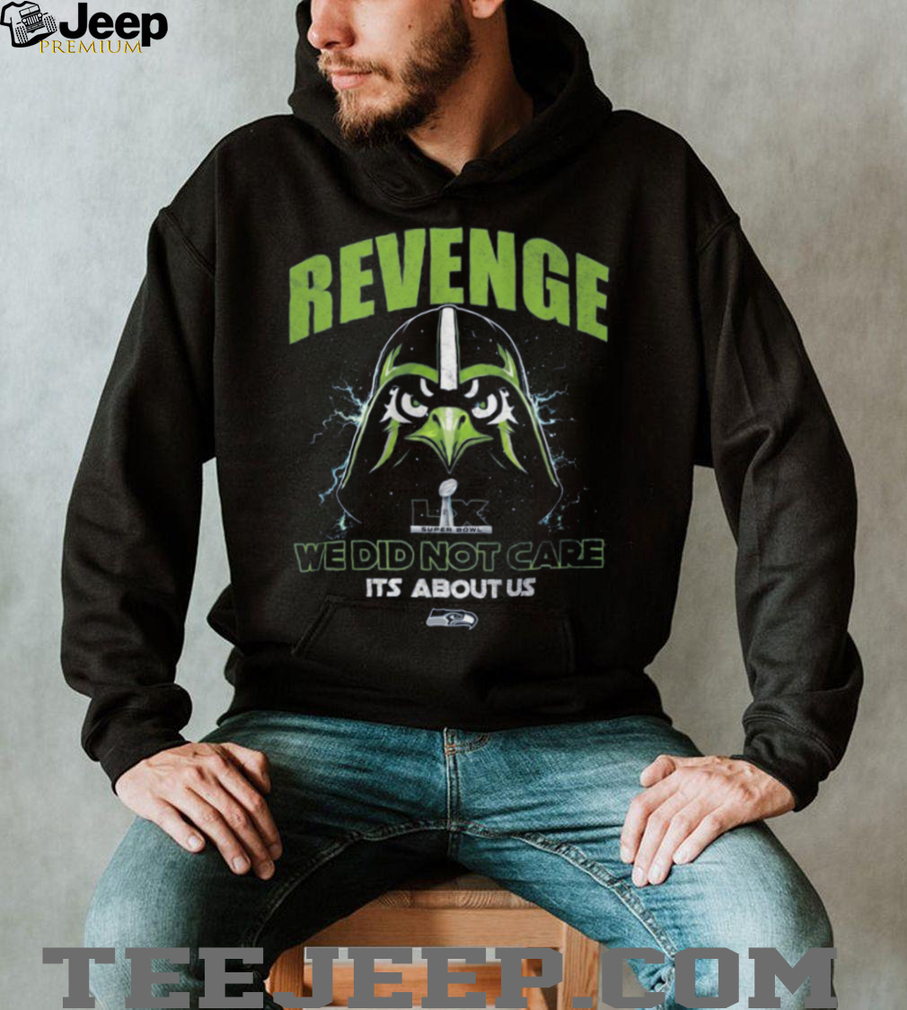
“As the “”Seattle Seahawks Super Bowl LX Revenge Darth Vader Style Tee“” solidifies, a growing consensus suggests that the 2026 running back class lacks the historic depth of previous years but offers elite “”system fits”” for specialized roles. Beyond the top five, names like Demond Claiborne (Wake Forest) and Justice Haynes (Michigan) are viewed as developmental projects with high ceilings but inconsistent tape. The draft’s middle rounds are expected to be a “”run on RBs,”” as teams like the Dallas Cowboys and Houston Texans—both desperate for backfield stability—look to secure fresh talent before the talent pool “”drops off the table.”” With the $300 million cap era in full swing, finding a starting-caliber back on a rookie contract is no longer just a luxury; it’s a foundational requirement for any team attempting to balance a superstar quarterback’s ballooning salary.
 ()
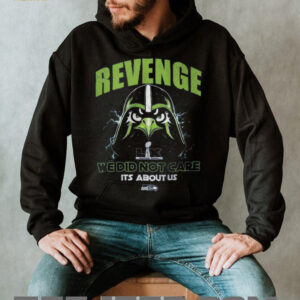
()Seattle Seahawks Super Bowl LX Revenge Darth Vader Style Tee, Treat yourself or make a great gift for your loved ones
“The quarterback market for the 2026 offseason is being described as “”ugly”” by league insiders, with very few veteran options offering significant upside for teams desperate for a signal-caller. Outside of the aging Aaron Rodgers, the pool of available free agents consists of names like Malik Willis, Mitchell Trubisky, and Kenny Pickett—players who have struggled to maintain consistent starting roles throughout their careers. This scarcity has made Malik Willis a particularly intriguing gamble; after showing flashes of high-level production during a brief stint in Green Bay, some teams are wondering if he has truly turned a corner or if his success was simply a byproduct of Matt LaFleur’s Seattle Seahawks Super Bowl LX Revenge Darth Vader Style Tee. With a draft class that is also seen as sparse in “”sure-thing”” passers, quarterback-needy teams may find themselves in a desperate bidding war for mid-tier veterans, potentially overpaying for players with significant question marks.
 ()
()The 2026 NFL Scouting Combine has intensified the debate over whether the Chicago Bears should follow through on the rumored move to Indiana or stay in their historic home city. With the Indiana legislature passing a bill to attract the franchise with a new government stadium authority, the potential for a massive taxpayer-funded project has created a “”corporate welfare bidding war”” between states. Critics argue that despite the Bears’ $8 billion valuation, the franchise is seeking $850 million in public funding for a facility that remains empty for the vast majority of the year. For Indiana, the prospect of hosting a second NFL team is tempting for prestige, but many fiscal conservatives warn that shelling out billions for a team that isn’t even associated with the state’s identity is a foolish use of funds that would be better spent on infrastructure or education.”